
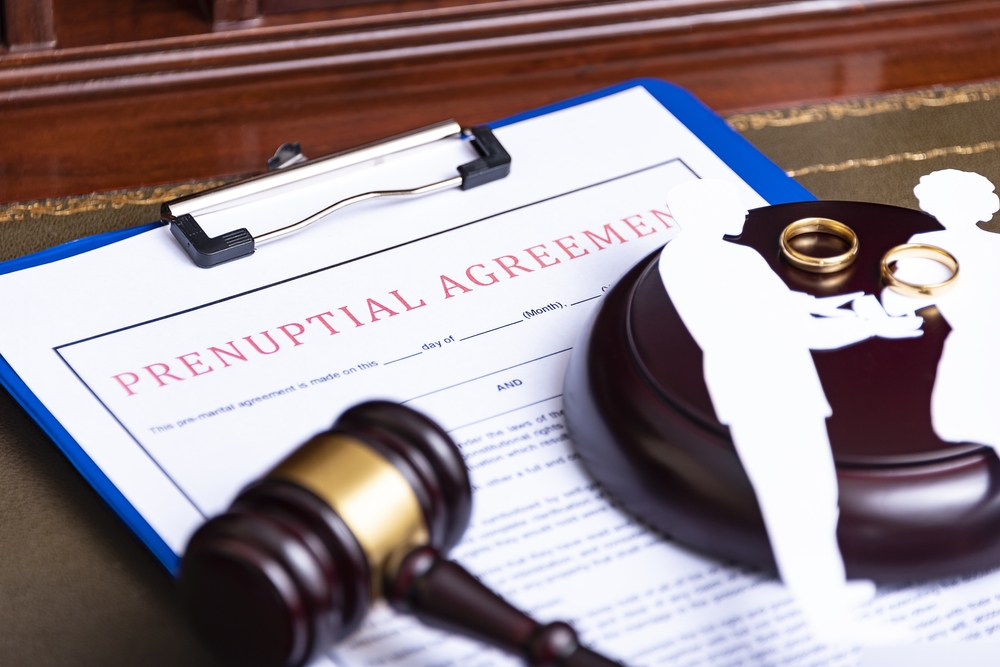
 Prenuptial agreements, often referred to as prenups, are vital tools for couples who wish to establish clear terms regarding property, finances, and other critical matters before marriage. In New Jersey, specific laws govern these agreements, ensuring they are legally binding and enforceable.
With over 150 years of combined legal experience, Goodgold West Diaz Bennett & Klein LLC provides personalized legal guidance to individuals and couples in Millburn, NJ, and beyond. Understanding the requirements of a prenuptial agreement is essential to protect your rights and prepare for a secure marital future.
What Is a Prenuptial Agreement?
A prenuptial agreement is a legally binding contract entered into by two people before marriage. It outlines how assets, debts, and other financial matters will be handled during the marriage or in the event of divorce. While commonly associated with asset protection, prenups can also address spousal support, inheritance, and other family-related issues.
In New Jersey, prenuptial agreements are governed by the Uniform Premarital and Pre-Civil Union Agreement Act. This law provides a framework to ensure that agreements are fair, transparent, and enforceable. For couples seeking clarity in their financial arrangements, working with a Millburn family law attorney is a practical way to draft a prenup that meets legal standards and personal goals.
Key Requirements for a Valid Prenuptial Agreement
New Jersey law sets clear requirements for prenuptial agreements to be enforceable. Failure to meet these conditions can result in a court invalidating the agreement. Below are the primary requirements:
- Written Format: Prenuptial agreements must be in writing to be legally recognized. Verbal agreements are not enforceable under New Jersey law.
- Full Disclosure: Both parties must fully disclose their assets, debts, and financial obligations before signing. Failure to provide accurate financial information can lead to disputes or invalidate the agreement.
- Voluntary Agreement: The agreement must be entered into voluntarily by both parties. Evidence of coercion, fraud, or undue pressure can render the prenup unenforceable.
- Fair Terms: The terms of the agreement must not be unconscionable, meaning they should not excessively favor one party over the other. Courts may scrutinize agreements that are deemed unjust or one-sided.
- Independent Legal Representation: While not mandatory, it is highly recommended that both parties seek independent legal counsel to ensure the agreement is fair and fully understood.
By working with our experienced attorneys, couples can ensure their prenuptial agreements are tailored to meet New Jersey’s legal standards and protect their interests.
When to Create a Prenuptial Agreement
Prenuptial agreements are typically executed well before the wedding date to allow both parties ample time to review and negotiate terms. Last-minute agreements may face challenges in court, as they could suggest undue pressure.
Couples with substantial assets, family businesses, or previous marriages often benefit from having a prenup in place. However, these agreements are not solely for high-net-worth individuals. They can also protect parties with significant debts, inheritance concerns, or unique family situations. Consulting a Millburn divorce attorney early in the planning process ensures sufficient time to draft and review the agreement.
Common Provisions in New Jersey Prenuptial Agreements
Prenuptial agreements in New Jersey can address a wide range of issues, provided they comply with state laws. Common provisions include:
- Property Division: Clarifying which assets are separate or marital property.
- Debt Allocation: Determining responsibility for debts incurred before and during the marriage.
- Spousal Support: Establishing terms for alimony or waiving the right to spousal support entirely.
- Inheritance Rights: Protecting family heirlooms, trusts, or assets intended for children from previous marriages.
Modifying or Enforcing a Prenuptial Agreement
Prenuptial agreements can be modified or revoked if both parties agree. Modifications must also be in writing and comply with the same legal requirements as the original agreement.
If disputes arise, New Jersey courts evaluate prenuptial agreements based on their fairness, disclosure, and adherence to state law. If one party challenges the validity of the agreement, the court may assess whether legal representation, full disclosure, and voluntary consent were present when it was signed.
A Millburn family attorney can assist in enforcing or revising prenuptial agreements to ensure they reflect current circumstances and remain legally sound.
Building Strong Foundations with Prenuptial Agreements
Prenuptial agreements provide clarity and security for couples entering marriage. At Goodgold West Diaz Bennett & Klein LLC, we help clients create comprehensive agreements that protect their financial and personal interests. Whether drafting a new agreement or modifying an existing one, our attorneys bring the experience and insight needed to achieve favorable outcomes.
Contact us today to schedule a consultation and discuss how we can assist with your prenuptial agreement needs. Protect your rights and lay the foundation for a successful future with the support of our dedicated legal team.